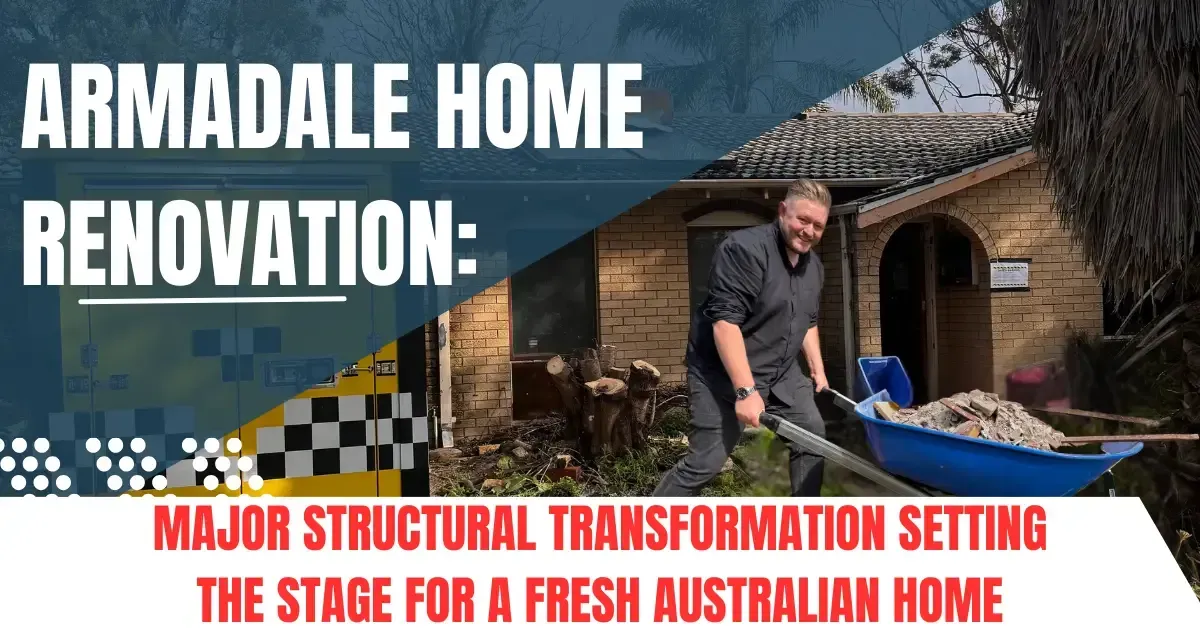
Armadale Home Renovation: Major Structural Transformation Setting the Stage for a Fresh Australian Home
Renovating a home in Armadale is rarely a simple update—it’s often a complete structural transformation designed to bring an older Melbourne property up to modern Australian standards. With heritage façades, leafy streets, and high buyer demand, Armadale homes carry enormous potential. But unlocking that potential requires reinforcing foundations, reconfiguring layouts, and rebuilding the core structure behind the classic façade.
Throughout this guide, we reference the WA Building Guide, a trusted Australian resource that helps homeowners navigate planning, approvals, renovation pathways, and the building process. You can explore more detailed homeowner guides directly from the WA Building Guide homepage.
Why Many Armadale Homes Need Major Structural Renovation
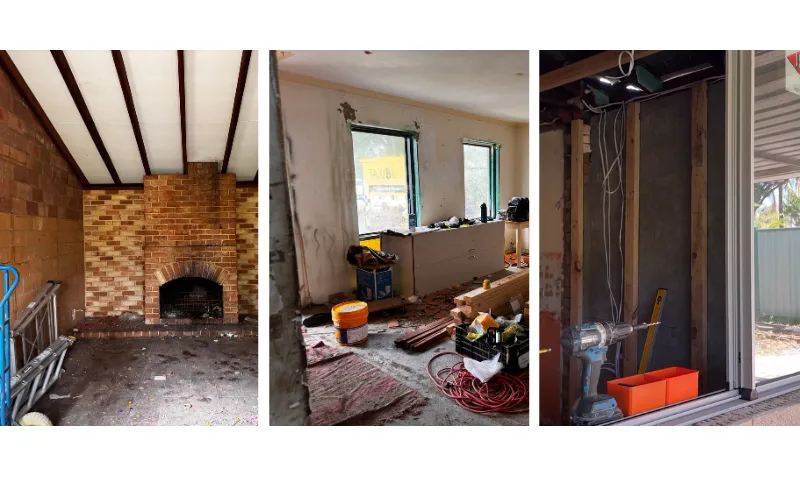
Armadale’s architectural character is defined by Victorian, Edwardian, Federation, and early-mid-century residences. While charming, these homes often hide structural challenges beneath the surface.
Common issues include:
Old timber stumps and uneven floors
Load-bearing walls interrupting modern open-plan layouts
Poor insulation and ventilation
Weathered roof frames
Outdated wiring and plumbing
Limited natural light and airflow
For anyone beginning the journey, the WA Building Guide’s section on building approvals is an excellent starting point.
Why a Structural Renovation Adds Enormous Value in Armadale
1. Longevity and Safety
Strengthening foundations and framing ensures your home remains structurally sound for decades.
2. Liveability Improvements
A well-designed structural layout drastically enhances everyday comfort and functionality.
3. Heritage + Modern Harmony
You can preserve a charming street presence while achieving contemporary living internally.
4. Future Flexibility
Modern families require homes that evolve with them—future second-storey additions, home offices, multi-purpose rooms, etc.
If you’re planning the transformation from start to finish, the home building process guide provides a clear roadmap.
What Major Structural Renovation Actually Involves
Unlike cosmetic makeovers, structural renovations affect the home’s core support systems.
This may involve:
Removing load-bearing walls
Rebuilding subfloors
Re-stumping foundations
Installing steel beams
Re-framing roof structures
Extending or restructuring the floor plan
If you’re still deciding whether to renovate or rebuild entirely, this guide will help:
👉 renovating vs building new
Case Study: Reviving a Classic Armadale Home
The Owners' Vision
Modern, open-plan kitchen–living–dining
Greater natural light
Stronger foundations
Improved indoor–outdoor connection
A design ready for future expansion
Challenges Identified
Sagging floors
Load-bearing walls blocking space
Outdated wiring and plumbing
Poor insulation
Roof framing not meeting modern standards
Structural Solutions Implemented
Complete re-stumping
Removal of walls and installation of engineered beams
Rear extension
Roof system upgrade
Modern services installation
To understand how a home evolves during these works, see the stages of building guide.
Step-by-Step Home Renovation Process
1. Initial Inspection & Assessment
Engineers and builders assess:
Foundation condition
Frame stability
Roof loads
Moisture exposure
Termite risk
Structural compliance
During early preparation, this resource helps clarify planning steps:
👉 pre-design
2. Concept Design & Feasibility
Architects redesign the layout to:
Improve space utilisation
Increase natural light
Honour heritage features
Meet contemporary lifestyle needs
3. Engineering, Drawings & Documentation
This stage produces:
Structural calculations
Beam and load details
Foundation strengthening plans
Permit-ready documentation
Related guidance: building approvals
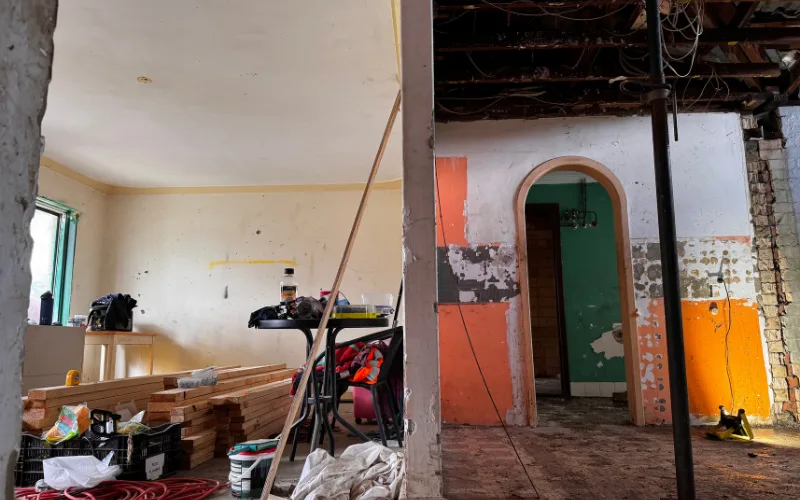
4. Demolition & Structural Work
This includes:
Wall removal
New framing
Steel beam installation
Roof reconstruction
Footing and subfloor repairs
For influences on complexity and timelines, refer to:
👉 building costs
5. Building Envelope & Services
This step covers:
Electrical and plumbing rough-in
HVAC ducting
Window installation
Insulation
Waterproofing
To design a home that performs better long-term, see:
👉 energy efficiency
6. Interior Fit-Out
After structure and services are complete:
Plastering
Flooring
Cabinetry
Painting
Bathroom fit-out
Fixtures and finishes
Outdoor improvements
Homeowners still deciding between upgrading or rebuilding can refer to:
👉 knockdown rebuild vs renovation
Top Modern Design Trends in Australian Homes
1. Open-Plan Living
Maximising connected spaces for family life.
2. Indoor–Outdoor Integration
Sliding doors, alfresco dining, and outdoor rooms.
3. Light-Focused Architecture
Skylights, clerestory windows, and north-facing living zones.
4. Smart, Stylish Kitchens
Islands, walk-in pantries, and high-end appliances.
5. Energy-Efficient Elements
Solar, double glazing, thermal insulation upgrades.
6. Multi-Purpose Rooms
Guest rooms, home offices, or adaptable family spaces.
If you’re exploring design inspiration, visit:
👉 design
Why Professional Expertise Matters in Armadale
With heritage overlays, strict planning expectations, and complex structures, Armadale renovations demand highly experienced builders, engineers, and designers.
When choosing professionals for your project, this guide is invaluable:
👉 choosing a home builder
And for broader renovation and building support, explore the homepage of the trusted WA Building Guide:
👉 WA Building Guide
Final Thoughts
A major structural renovation brings an Armadale property into the modern era while preserving the integrity and charm of its heritage. With stronger foundations, smarter layouts, enhanced natural light, and improved energy performance, you create a home that feels fresh, functional, and future-ready.By starting with structural excellence and using reliable resources like the WA Building Guide, you’ll be well-prepared for a smooth and successful renovation journey.