
How to Choose the Best Land for Your First Home in WA (6 Expert Tips)
Choosing the best land for your first home in WA is the most important decision you will make when building your first home. Designs can be changed, finishes can be upgraded, and layouts can be adjusted but land cannot be fixed once purchased. In Western Australia, where soil conditions, council regulations, and estate guidelines vary significantly, selecting the right block can be the difference between a smooth build and years of regret.
This guide is written from an expert by WA Building Guide on real-world perspective. It goes beyond surface-level advice and explains why each factor matters, how it affects your budget and lifestyle, and what first-home buyers in WA often overlook. The goal is simple: help you choose land that supports your finances, your home design, and help you to find the best land for your first home in WA.
Why Land Choice Is More Important Than House Design?
Most first-home buyers spend months researching floor plans but only days deciding on land. This is a mistake. Land determines how much you will spend on site works, how energy-efficient your home will be, how easily approvals are granted, and how attractive your property will be when you decide to sell.
In WA, two blocks priced the same can result in a build cost difference of tens of thousands of dollars. Factors such as soil reactivity, slope, service availability, and council rules all directly affect construction. Choosing wisely at the land stage protects your budget and gives you far more flexibility during the build.
1. Location: Lifestyle Today and Value Tomorrow
Location is not just about convenience it is about long-term livability and growth. When choosing best land for your first home in WA, you should think about how the suburb will serve you not only now, but five, ten, and twenty years into the future.
Areas close to schools, shopping centres, medical facilities, and transport links tend to hold value better and attract stronger buyer demand. Growth areas with planned infrastructure such as new train stations, highways, or commercial hubs often outperform established suburbs over time, especially when bought early.
▼ Look deeper: How to assess growth potential?
Future growth is usually driven by government and private investment. Reviewing local planning strategies, transport expansions, and land releases can give insight into where demand is heading. Buying in a suburb before it fully develops often allows first-home buyers to enter the market at a more affordable price point while still benefiting from future appreciation.
2. Land Size, Shape, and Orientation
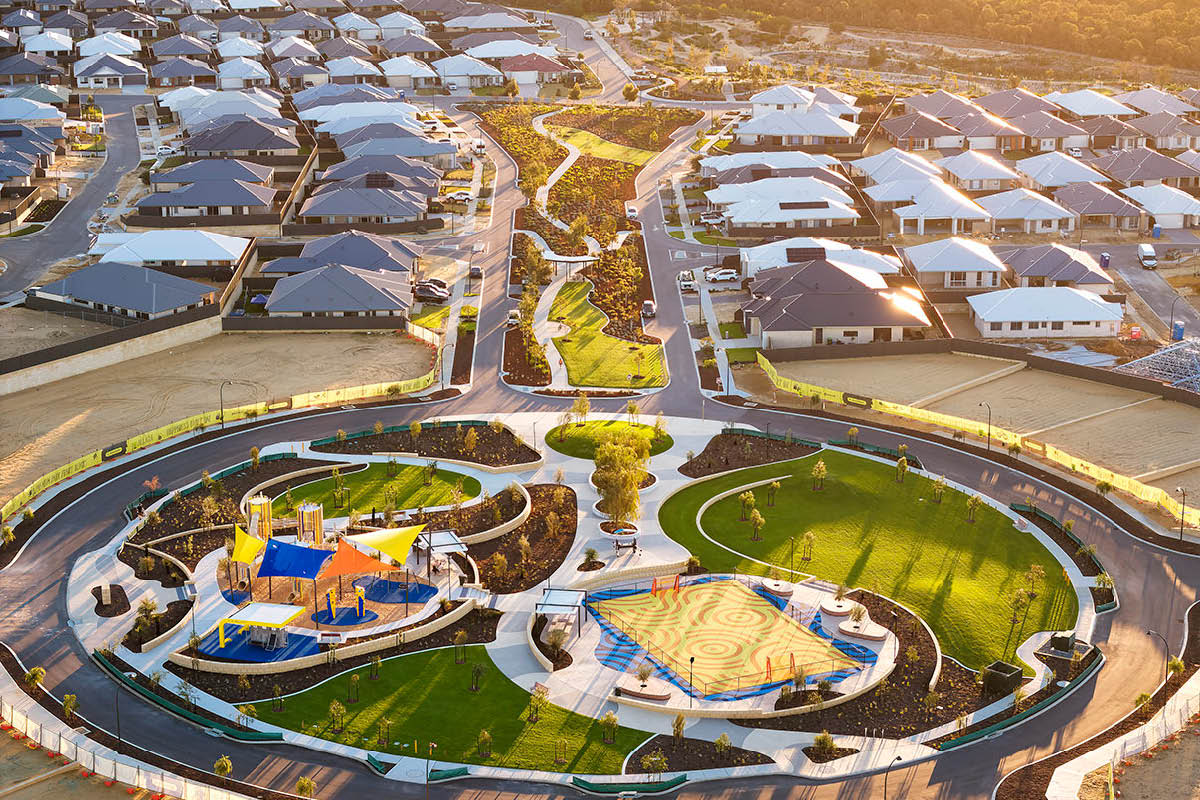
The physical characteristics of your block have a major influence on design freedom and construction cost. Regular-shaped blocks are easier to build on and usually allow for standard home designs, which are more affordable and quicker to approve. Irregular or narrow blocks may look appealing on paper but often require custom designs, which can add both time and expense.
Orientation is particularly important in Western Australia’s climate. Blocks that allow living areas to face north benefit from better natural light and warmth in winter while remaining easier to shade in summer. This improves comfort and reduces reliance on artificial heating and cooling.
▼ Look deeper: Why orientation affects long-term costs?
A poorly oriented home can increase energy bills for the life of the house. Natural light, airflow, and sun positioning all play a role in how comfortable your home feels day to day. Orientation is not just a design preference it is a long-term financial consideration.
3. Soil Type and Site Conditions
Soil quality is one of the biggest hidden cost drivers when building in WA. Many first-home buyers only discover soil-related issues after they have already purchased land, at which point there is little room to negotiate or adjust. For the best land for your first home in WA you have to make a research regarding Soil types and Conditions and At This Stage WA building Guide Will help you . Contact us today and turn you dream into Reality.
Different soil classifications require different foundation solutions. Reactive clay, sandy soil, rock, or sloping blocks can all increase site work costs. These costs may include deeper footings, reinforced slabs, additional drainage, or retaining walls.
▼ Look deeper: Why site reports matter before buying?
A site classification or contour report provides clarity on what you are really buying. Land that appears flat and affordable may require extensive preparation once construction begins. Reviewing these reports early allows you to make accurate comparisons between blocks and avoid budget blowouts later.
4. Services, Utilities, and Estate Readiness
Not all land is fully serviced, even within new developments. It is essential to confirm whether water, sewer, electricity, gas, storm water drainage, and internet access are already connected or will require additional work. Delays in service connections can slow down construction and increase holding costs. Some estates also require buyers to pay for extras such as crossovers, footpaths, or temporary power during the build. These costs are rarely highlighted in advertisements but can significantly affect your overall budget.
▼ Look deeper: Fully serviced vs partially serviced land
Fully serviced blocks may have a higher upfront price, but they often reduce uncertainty and speed up the build process. Partially serviced land may appear cheaper initially but can lead to delays and unexpected expenses that outweigh any upfront savings.
5. Zoning, Covenants, and Council Requirements
Every block of land in WA is subject to zoning laws and, in many cases, developer covenants. These rules control what you can build, how large the home can be, building height, setbacks, façade styles, and sometimes even fencing or roof materials. For first-home buyers, restrictive covenants can limit design flexibility and increase costs if special requirements must be met. Council regulations can also affect drainage, parking, and site coverage, all of which influence design and approval timelines.
▼ Look deeper: Why “cheap land” can become expensive?
Land with strict covenants or challenging zoning may require architectural changes, engineering upgrades, or design compromises. What looks like a good deal can quickly become costly once compliance requirements are factored in.
6. Budgeting Beyond the Land Price
One of the most common first-home buyer mistakes is treating land and construction as separate budgets. In reality, they are deeply connected. The land you choose determines site works, design options, approval timelines, and final build costs. Beyond the land price, buyers must account for site works, retaining, fencing, landscaping, driveways, window treatments, and potential council fees. A slightly more expensive block with simple site conditions often results in a lower total build cost than cheaper land with complex requirements.
▼ Look deeper: Thinking in terms of total project cost
Successful first-home buyers evaluate land based on how well it supports their entire build budget. This approach reduces stress, avoids compromises during construction, and helps ensure the finished home meets expectations.
Final Thoughts: Choosing Land with Confidence
Choosing the best land for your first home in WA is not about rushing to secure the cheapest block it is about making a well-informed, strategic decision. The right land supports your lifestyle, protects your finances, and positions you for long-term success.
By carefully assessing location, physical characteristics, soil conditions, service availability, and regulatory requirements, you dramatically reduce risk and increase confidence throughout the building process. Your first home should be an achievement you enjoy, not a project defined by avoidable stress.
Ready to Choose the Right Block of Land in WA?
If you want expert guidance to help you avoid costly mistakes and choose land that truly suits your goals, professional advice can make a significant difference. The right support at the land stage often saves more money than it costs.