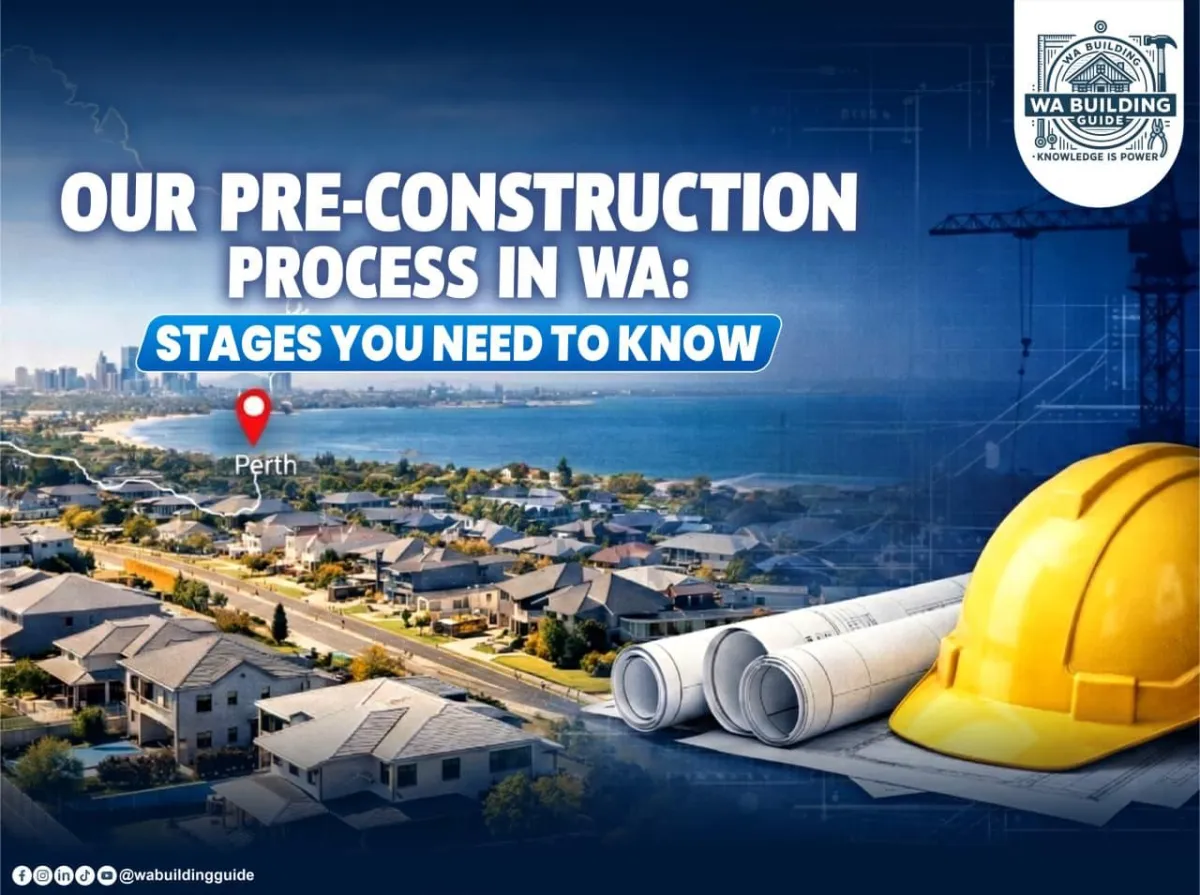
Our Pre-Construction Process in WA: The Stages You Need to Know Before You Build
Building a home in Western Australia is an exciting milestone, especially if it’s your first home. But what most people don’t realize is that the success of your build is not determined on-site, it's decided long before construction even begins. The pre-construction Process in WA is where timelines are set, budgets are shaped, risks are identified, and decisions are made that will either protect you or cost you later. Many homeowners assume that delays, cost overruns, or design issues happen during construction.
This is the stage where clarity matters most, yet it is often rushed or misunderstood. Having worked across estates from Two Rocks to Dawesville, it becomes clear that the difference between a smooth, stress-free build and a frustrating experience lies in how well the pre-construction process is handled. This guide will walk you through each stage in detail, using real-world insights and practical understanding of how the WA building process actually works.
Understanding Pre-Construction Process in WA
Before diving into the stages, it’s important to understand what pre-construction really means in the WA building industry. Pre-construction refers to everything that happens before physical building begins. This includes site analysis, design, documentation, approvals, pricing, and contract finalization.
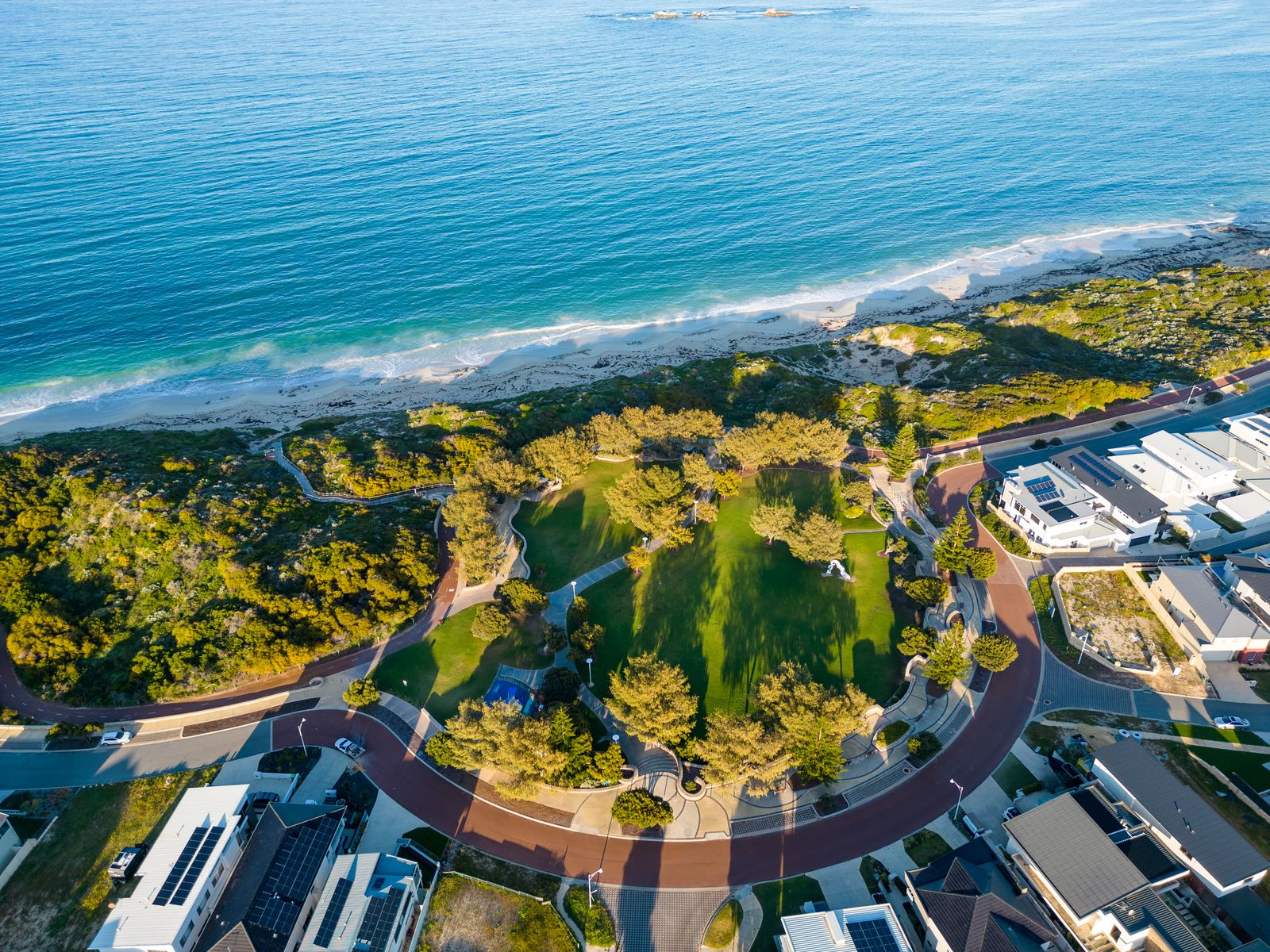
The Pre-Construction Process in WA is particularly important because of the unique factors that influence building outcomes. These include soil conditions, estate developer requirements, bushfire regulations, coastal considerations, and energy efficiency standards. Ignoring or underestimating any of these elements can lead to redesigns, delays, or unexpected costs.
Stage 1: Feasibility and Site Due Diligence
The first and most critical stage in pre-construction Process in WA is feasibility and site due diligence. This is where you gather all the necessary information about your land before making any design decisions. Unfortunately, this is also the stage most commonly rushed, often because buyers are eager to move forward quickly. Every block of land in Western Australia has its own characteristics, restrictions, and hidden challenges. Understanding these early is essential to avoid costly surprises later.
This stage involves a detailed review of zoning regulations and R-Codes, which determine what can and cannot be built on your land. Title status must also be confirmed, especially if the land is not yet titled, as this can impact timelines and finance approvals. Easements need to be identified because they can restrict where structures can be placed. Another key factor is soil classification. In WA, soil conditions can significantly affect construction costs due to site preparation requirements. A poor soil classification may require additional engineering solutions, increasing your overall budget.
You must also assess the BAL (Bushfire Attack Level) rating, which affects building materials and design requirements if your land is in a bushfire-prone area. Access to essential services such as sewer, water, electricity, and NBN must be confirmed, as connecting these services can sometimes involve unexpected costs. The most important takeaway here is simple: you should never design a home until you fully understand your land.
Stage 2: Planning and Design Development
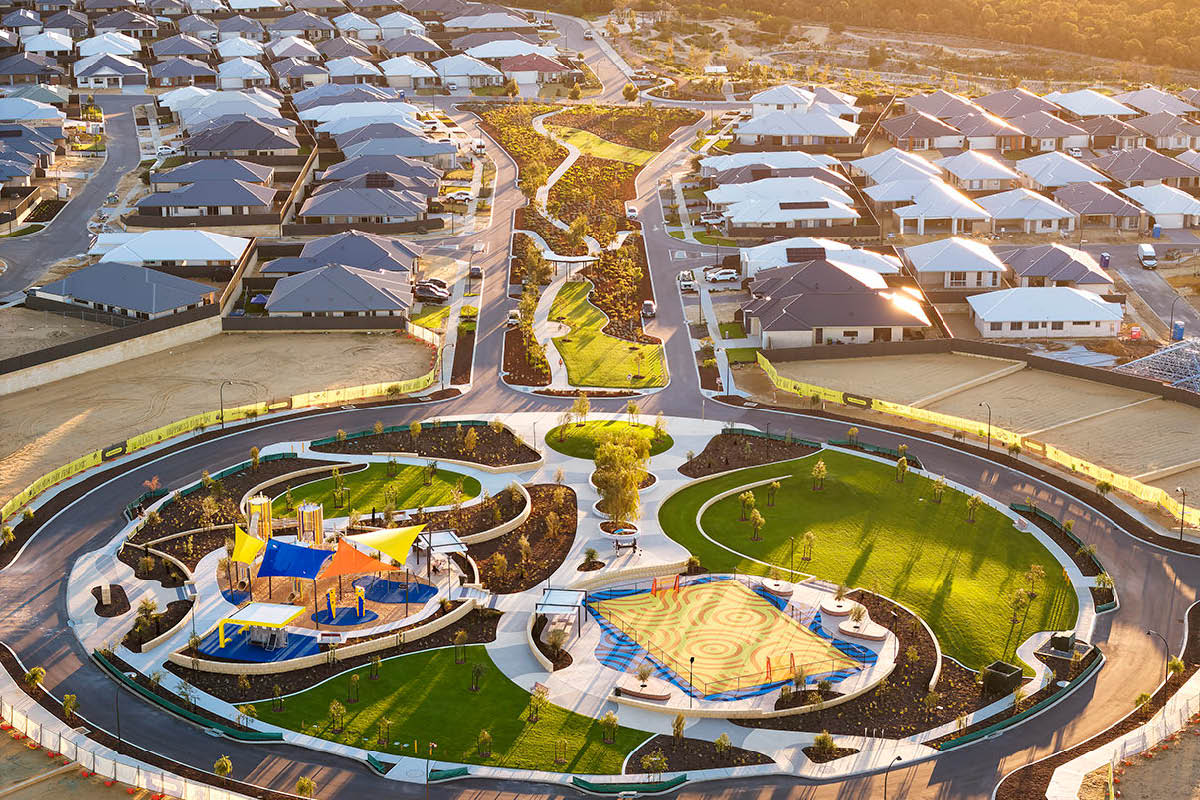
The second stage of our Pre-construction process in WA is Planning and Design Development. Once your site has been thoroughly assessed, the next step is planning and design development. This is where your ideas begin to take shape into a functional and buildable home. This stage is about much more than choosing a floorplan. It’s about designing a home that works with your land, your budget, and your lifestyle. A well-designed home considers orientation, natural light, airflow, and energy efficiency, all of which are particularly important in the climate of Western Australia.
Orientation plays a crucial role in reducing energy costs and improving comfort. Positioning living areas to capture natural sunlight and minimizing exposure to harsh afternoon heat can make a significant difference in how your home performs year-round. Design decisions must also account for local conditions. For example, a design that works well in Alkimos, where coastal winds are a factor, may not be suitable for Baldivis, where inland heat and different soil conditions apply.
During this stage, structural engineering input ensures that your design is feasible and compliant. Energy assessments are conducted to meet regulatory requirements, and elevation designs are selected to match both personal preferences and developer guidelines. This is also the stage where long-term thinking becomes important. A home should not only meet your current needs but also consider future resale value, family growth, and lifestyle changes.
Stage 3: Scope Definition and Fixed Pricing
The most important stage of Pre-Construction Process in WA is the Scope Definition. One of the most misunderstood aspects of building a home is pricing. Many buyers believe that once they receive a quote, their budget is locked in. In reality, a price is only reliable if the scope behind it is clearly defined. This stage focuses on detailing every aspect of your build to ensure transparency and accuracy. It includes preparing a comprehensive inclusions schedule that outlines exactly what is included in the build, from materials and finishes to fixtures and fittings.
Site costs are also finalised at this stage. These can vary significantly depending on soil conditions, site access, and location. In WA, site costs are one of the biggest contributors to budget variations, which is why they must be clearly understood upfront. Developer compliance costs and upgrade selections are also addressed. Many buyers underestimate how quickly upgrades can add up, particularly when decisions are made without a clear budget framework.
In the current WA market, where construction costs can fluctuate, having a clearly defined scope is one of the best ways to protect yourself financially.
Stage 4: Risk Assessment and Contract Review
Before signing a building contract, it is essential to understand every detail of what you are agreeing to. This stage of Pre-Construction process in WA is about identifying risks and ensuring that you are fully informed. Builder capacity and timelines should be carefully assessed, especially in a market where demand can impact delivery schedules. Understanding how long your build is likely to take and what factors could cause delays is critical for planning.
Contract clauses must be reviewed in detail. Liquidated damages clauses, for example, outline compensation if the builder delays the project beyond the agreed timeframe. Sunset clauses are particularly relevant for untitled land, as they define the timeframe within which the land must be registered. Finance approval conditions also need to be considered. Ensuring that your loan is aligned with the contract terms can prevent complications during construction.
The progress payment structure is another key element. Understanding when payments are required and what milestones they correspond to help you manage your finances effectively. Variation processes should also be clearly defined. Changes during construction can be expensive, so knowing how variations are handled is important. This stage is often overlooked because buyers are eager to move forward. However, taking the time to review your contract thoroughly can save you from significant issues later.
Stage 5: Permits and Authority Approvals
Once your contract is finalized, the next step is obtaining the necessary permits and approvals. This stage involves coordinating with multiple authorities to ensure that your project complies with all regulations. The building permit application is a key part of this process, requiring detailed documentation and certifications.
Engineering approvals confirm that the structural design meets safety standards, while energy reports ensure compliance with efficiency requirements. Developer approvals may also be required, particularly in new estates, where design guidelines must be met. Local council clearances are necessary to confirm that the project aligns with planning regulations.
Approvals from service providers, such as water authorities, are also part of this stage. If the site includes an existing structure, demolition permits may be required before construction can begin. While this stage can seem complex, it typically progresses smoothly if all previous stages have been completed properly. Delays at this point are often the result of missing information or unresolved issues from earlier in the process.
Stage 6: Pre-Start Meeting
The pre-start meeting is one of the most significant milestones in the pre-construction process. This is where all final decisions are made before construction begins. During this meeting, you will finalize your electrical plan, including the placement of power points, lighting, and switches. Plumbing layouts are confirmed, along with selections for tiles, cabinetry, colours, and finishes.
For many homeowners, this stage can feel overwhelming because of the number of decisions involved. It is also where budgets can quickly increase if upgrades are selected without careful consideration. Preparation is key. Entering the pre-start meeting with a clear understanding of your preferences and budget can help you make confident decisions and avoid unnecessary spending.
This stage marks the transition from planning to execution. Once pre-start is complete, changes become more difficult and costly, which is why it is important to get everything right at this point.
Why Does the Pre-Construction Process Matters?
The pre-construction phase is the foundation of your entire building journey. Every decision made during this stage has a direct impact on cost, timeline, and overall experience. While every builder in Western Australia has a process, not all of them take the time to ensure that clients fully understand it. This can lead to confusion, stress, and unexpected challenges.
By approaching pre-construction with a clear plan and a thorough understanding of each stage, you can transform what is often seen as a complex process into a structured and manageable experience.
Conclusion:
Building a home is one of the biggest financial commitments you will ever make. In Western Australia, where local conditions and regulations add complexity, the importance of pre-construction cannot be overstated. Taking the time to properly assess your land, develop a thoughtful design, define your scope, review your contract, and prepare for approvals will set you up for success.
Rushing through these stages may save time in the short term, but it often leads to delays, additional costs, and unnecessary stress later. When you understand the pre-construction process and approach it with the right mindset, your build becomes more than just a project, it becomes a well-planned journey with a clear path to success. And in the world of home building, that clarity makes all the difference.